


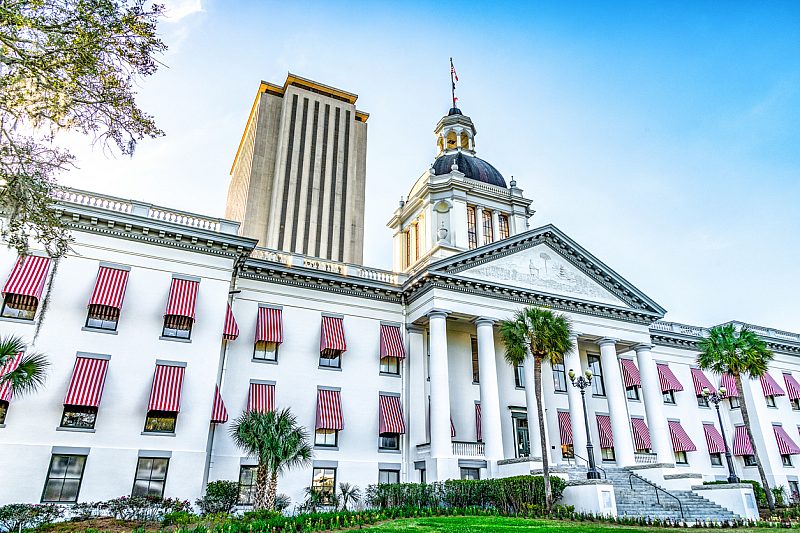


Recent articles indicate that Florida might abolish property taxes for homeowners.
Sounds exciting... and it is!
Governor Ron DeSantis supports a long-term plan to significantly lower and possibly abolish property taxes for primary homes, changing how Florida funds local services. Although no legislation has passed yet, simply talking about this topic has generated numerous concerns for home buyers and existing homeowners — especially for those who are planning to relocate to Northeast Florida.
Below is a straightforward and practical outline of the specifics of the proposed changes, what is reasonable to expect, and how these changes will affect you if you are a homeowner (or planning to become one) in Duval County, St. Johns County, and surrounding areas.
What Specifically Is DeSantis Supporting?
Generally speaking, Governor DeSantis has expressed his support for a large-scale change in the way property taxes are handled for homesteaded properties — in other words, primary homes.
Some of the key aspects of what is being considered:
- Any change will need to be enacted through a constitutional amendment, meaning voters would likely vote on the matter in 2026
- The proposed changes would be phased in over an extended period of time; there is no intention to implement the changes immediately
- All versions of the proposal include the elimination or reduction of property taxes excluding school funding
- Second homes, vacation homes, and rental properties would be excluded from the changes
In summary: this is a long-term change to the structure of property taxation, not a short-term tax relief measure.
Why Do Property Taxes Matter in Florida?
Since Florida does not have a state income tax, local governments depend heavily on property taxes to fund:
- Schools
- Police and fire departments
- Roads and infrastructure
- Parks and libraries
This is the basis for much of the controversy surrounding this issue. Lowering property taxes could reduce homeowner costs — but it also creates uncertainty around how counties and cities would replace that lost revenue.
What Does This Mean for Local Residents in Northeast Florida?
Duval County (Jacksonville)
Duval County has a wide range of property values and associated tax bills depending on location. If property tax reductions were phased in:
- Primary residents with a homesteaded property could see lower tax bills over time
- Mortgage payments could eventually decrease, assuming taxes are escrowed
- Rising property values could offset some of the tax savings
It’s also worth noting that Jacksonville relies heavily on property taxes to fund local services, meaning any reduction would likely require budget adjustments elsewhere.
St. Johns County
St. Johns County is often viewed as having “lower taxes,” but higher property values can still result in substantial tax bills.
Under a phased tax reduction:
- Long-term homeowners could benefit from lower annual taxes
- Buyers may see higher purchase prices as tax savings are factored into home values
- Rapid growth will likely continue to push assessed values upward
For families relocating primarily for school districts, property taxes are only one piece of overall affordability.
How Will These Changes Affect My Monthly Mortgage Payment?
If you have a mortgage, property taxes are typically included in your escrow account.
That means:
- Future tax reductions could lower your monthly payment
- Any changes would happen gradually over time
- Your loan balance and interest rate would remain unchanged
It’s also common for first-year buyers to experience payment adjustments after reassessment and escrow recalculations.
Common Questions Home Buyers & Homeowners Are Asking
What if I currently have a mortgage?
Your lender will continue collecting escrow payments until taxes are officially reduced. If taxes decrease in the future, your monthly mortgage payment would be adjusted accordingly — but only after those changes take effect.
What if I buy a home after this occurs?
You may benefit from lower taxes, but home prices could be higher. In many cases, tax savings are reflected in property values, meaning buyers may need to qualify for larger loan amounts.
What if I own a second home, vacation home, or rental property?
Most proposals apply only to primary residences. Second homes and rental properties would likely continue paying property taxes and could even carry a larger share of the overall tax burden.
Are school taxes going to be eliminated?
No. Most proposals protect school funding and focus on reducing or eliminating non-school property taxes. School taxes are among the most protected funding sources.
Will my relatively low tax bill stay low?
Not necessarily. Assessed values reset after a purchase, millage rates can change, and future reforms would not prevent future tax increases.
Can local services be impacted?
Possibly. If property tax revenue declines, counties may need to:
- Raise sales taxes
- Increase or add fees
- Reduce services
- Find new funding sources
This is one of the primary reasons the proposal remains controversial.
Is this beneficial for first-time buyers?
It depends.
- Long-term ownership may be less expensive
- First-time buyers could face higher entry prices
- Tax savings would come later, while upfront costs remain
For most first-time buyers, today’s affordability matters more than potential future savings.
Should This Issue Influence Your Purchase Decision?
Yes — it should be discussed — but it should not be the sole determining factor.
If you’re relocating to Northeast Florida, the smartest approach is to:
- Budget based on current tax regulations
- Choose a location based on lifestyle, schools, and commute
- Treat potential tax reform as a possible future benefit, not a certainty
Property tax reform may change how Florida functions — but where and how you live day to day still matters more.
Conclusion
There is growing buzz around eliminating property taxes, but it remains a long process with many unknowns. If successful, it could reduce long-term homeowner costs — while also reshaping home prices and local government budgets.
For now, the best strategy is to stay informed, budget conservatively, and work with professionals who understand county-by-county differences, not just statewide headlines.
If you’re comparing Duval vs. St. Johns, or want an accurate estimate of what property taxes look like today on a specific home, understanding local nuances will make the biggest difference.